
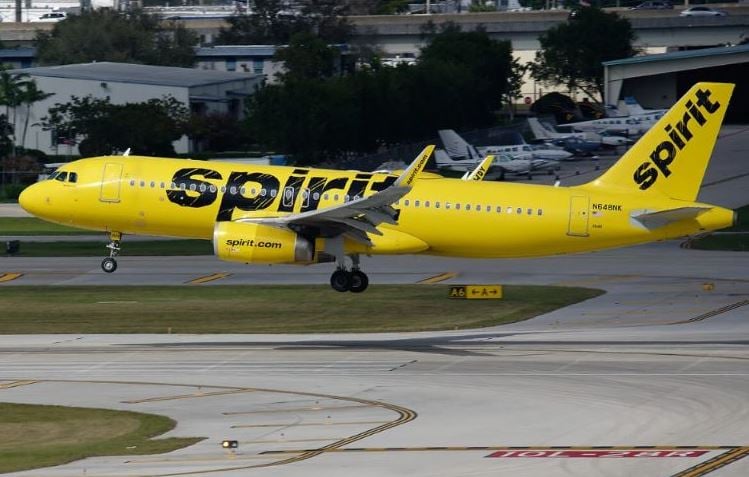
Spirit Aviation Holdings (Spirit) has reached a pivotal stage in its restructuring, announcing an agreement in principle with its existing debtor-in-possession lenders and secured noteholders on the core terms of a restructuring support agreement. The accord represents a decisive step towards concluding the airline’s Chapter 11 process and implementing the final operational and financial adjustments required to reposition the business. Spirit intends to emerge from bankruptcy protection in late spring or early summer as a streamlined, competitive low-cost carrier, maintaining its commitment to offering both basic and premium travel options at highly competitive fares.
“This agreement in principle is the result of months of hard work and allows Spirit to move toward completing its transformation,” said Dave Davis, President and Chief Executive Officer. “Spirit will emerge as a strong, leaner competitor that is positioned to profitably deliver the value American consumers expect at a price they want to pay.”
Central to Spirit’s revised operating model is an optimised network strategy. The airline plans to align capacity more precisely with periods and routes demonstrating the strongest demand elasticity. This will involve increasing aircraft utilisation on peak travel days while scaling back off-peak flying, thereby improving load factors and yield performance. The company also intends to preserve flexibility within its scheduling framework, enabling agile adjustments to seasonal demand fluctuations across its route network.
Spirit will also broaden its product segmentation with the expansion of its Spirit First and Premium Economy offerings is designed to capture higher-yield leisure and price-sensitive premium traffic, while retaining its structural position as a fare leader. Enhancements to the Free Spirit loyalty programme and associated co-branded credit card partnerships are expected to strengthen customer retention and ancillary revenue streams.
From a balance sheet perspective, the restructuring materially deleverages the company. Total debt and lease liabilities are projected to fall from approximately US$7.4 billion prior to filing to around US$2.1 billion upon emergence. This substantial reduction in fixed obligations, coupled with further cost base rationalisation, is intended to reinforce Spirit’s structural cost advantage relative to legacy carriers and other competitors in the North American aviation market.