
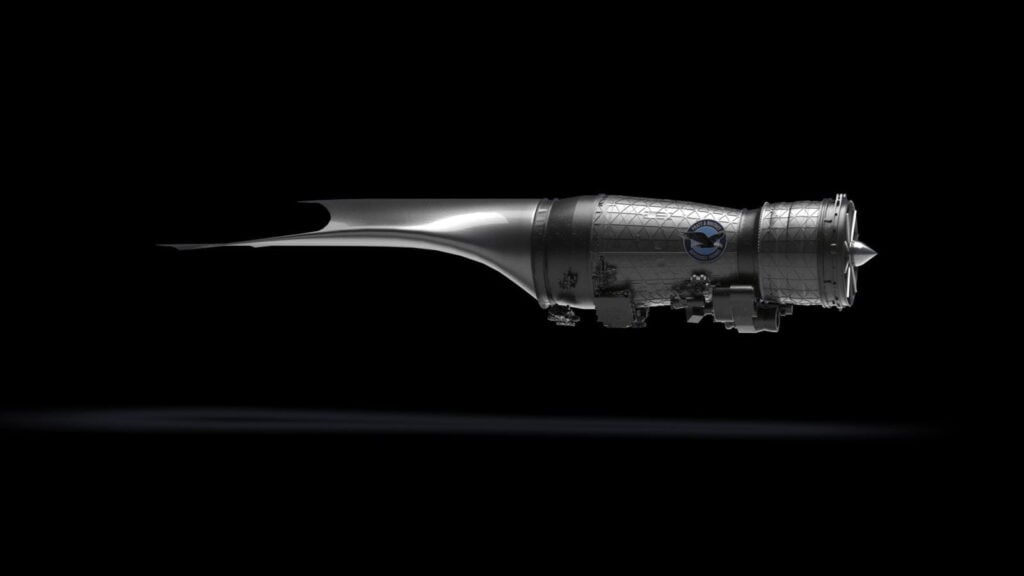
Pratt & Whitney has completed a fully digital technical assessment of its XA103 engine under the U.S. Air Force’s Next Generation Adaptive Propulsion (NGAP) programme, marking a key step towards hardware production and testing.
The assembly readiness review confirms the company’s transition from digital design into the procurement and manufacture of physical engine components. The milestone also highlights Pratt & Whitney’s continued investment in advanced digital engineering capabilities and its collaboration with the U.S. Air Force.
Jill Albertelli, President of Pratt & Whitney’s Military Engines business, said the programme demonstrates the company’s integrated digital infrastructure and its ability to streamline development processes. She added that the NGAP team is now preparing the engine for assembly and future testing while also developing new digital validation tools.
The XA103 has been designed using adaptive engine technology intended to deliver significant advances in survivability, fuel efficiency, power generation and thermal management for next-generation combat aircraft. The engine is expected to support future operational requirements and help the U.S. Air Force maintain air superiority in increasingly demanding environments.
Pratt & Whitney said the anticipated performance of the XA103 would exceed that of any current propulsion system in service, underlining the strategic importance of continued investment in military engine development.
The company’s NGAP team is now working closely with suppliers to procure the components required for engine assembly, with testing expected to begin in the late 2020s.
The NGAP programme forms part of the U.S. Air Force’s wider effort to develop advanced propulsion systems for future combat platforms, focusing on greater operational range, improved efficiency and enhanced mission capability. Adaptive engine technology is seen as a critical element in supporting next-generation aircraft as defence requirements continue to evolve.