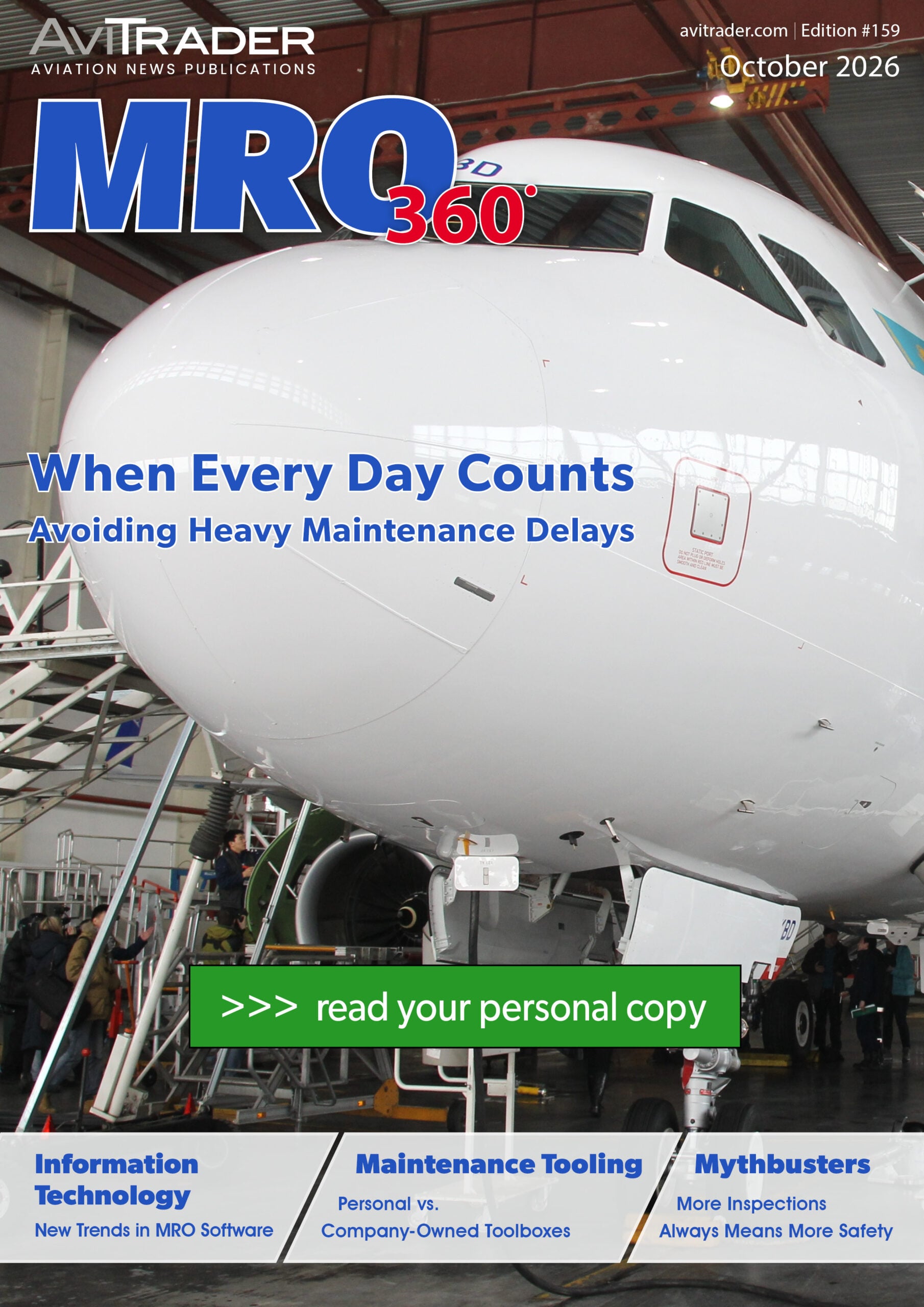


The Evolution in Aircraft Component Maintenance
The maintenance of aircraft components has undergone a dramatic transformation over the past few decades. Once dominated by reactive repairs and time-based overhauls, modern component maintenance now relies heavily on data analytics, advanced materials, modular design, and predictive technologies. As the aviation industry grows increasingly focused on cost-efficiency, safety, and reliability, the maintenance of components—ranging from avionics to actuators—has become a critical focal point for innovation. So, let us explore how aircraft component maintenance has changed, examine the technologies driving these changes, and the strategic implications for airlines, MROs, and OEMs alike.
Traditional Practices: Scheduled and Manual
Historically, aircraft component maintenance followed a time-based or usage-based schedule where components were removed, overhauled, or replaced at set intervals, regardless of their actual condition. This was driven by airworthiness directives (ADs) and OEM guidelines, limited diagnostic capabilities, and conservative risk-mitigation philosophies. Components such as hydraulic pumps, electric actuators, air cycle machines, and avionics were typically sent to overhaul shops after a predefined number of flight hours or cycles, so the result was a predictable but often inefficient system, with components either replaced too early or failing between scheduled intervals.
The Shift to Condition-Based Maintenance
With the advent of onboard sensors, digital monitoring, and centralised maintenance information systems, the industry has begun to transition toward Condition-Based Maintenance (CBM) which focuses on maintaining components when data indicates performance degradation or impending failure. Key enablers include Built-in Test Equipment (BITE) that monitors system health in real time, Central Maintenance Computers (CMC) that log fault codes and system status, and Aircraft Health Monitoring Systems (AHMS) that aggregate component-level data. This shift has enabled maintenance teams to extend component life, reduce unnecessary removals, and prioritise interventions based on actual wear or fault data which has significantly lowered maintenance costs and improved fleet availability.
Modular Design and Line-Replaceable Units (LRUs)
Aircraft component maintenance has also evolved through design philosophies that favour modular architecture, primarily because modern aircraft systems are built with Line-Replaceable Units (LRUs), enabling quick removal and replacement at the line or hangar level. To explain further, the advantages of LRU-based maintenance include rapid turnaround times during unscheduled events, reduced aircraft-on-ground (AOG) durations, and simplified logistics and parts inventory management. Common LRUs include avionics modules, electronic controllers, hydraulic actuators, and power distribution units, while once removed, LRUs are sent to a repair station or OEM-authorised workshop for in-depth troubleshooting and refurbishment.
Predictive Maintenance: The Digital Frontier
The most recent and impactful transformation is the rise of Predictive Maintenance (PdM) where through the use of advanced analytics, machine learning, and vast operational datasets, predictive maintenance tools are now able to accurately forecast the future condition of components based on current trends. Examples of this include engine components which are now being monitored for vibration and temperature patterns to predict hot-section wear, hydraulic pumps or valves which are being analysed for pressure deviation trends, and environmental control systems which are now tracked for performance drops linked to filter clogging or motor wear. Thanks to the introduction of PdM, leading OEMs and airlines now use platforms such as Airbus Skywise – centralised analytics for component-level trend monitoring, Boeing AnalytX – predictive tools for system reliability and parts planning, Honeywell Forge and GE’s Predix – advanced diagnostics for avionics and engines. What this all means is that these tools allow for component removal just prior failure, enabling proactive parts ordering and maintenance slot scheduling, which in turn leads to a more reliable and cost-effective maintenance regime.
Material Science and Component Durability
Parallel to digital innovations, advancements in materials have also significantly improved component reliability as these components often incorporate composite and ceramic materials for reduced weight and improved heat resistance, self-lubricating bearings that reduce maintenance intervals, and corrosion-resistant alloys extending component service lives. Beyond this, the use of additive manufacturing (3-D printing) for certain component parts has allowed MROs and OEMs to rapidly produce customised or low-volume parts for repair, particularly for older aircraft.
Regulation and Certification
Despite the above-mentioned innovations, aircraft component maintenance remains strictly regulated, so any shift in maintenance methodology—particularly when incorporating predictive tools—must align with FAA and EASA maintenance programmes, including Part 145 repair station approval, OEM-issued Component Maintenance Manuals (CMMs), which define overhaul procedures and tolerances, and reliability control programmes within an airline’s Continuing Airworthiness Management Organisation (CAMO). Recent regulatory developments are increasingly accommodating digital methods, but full integration of AI-driven predictions into certified maintenance planning still requires rigorous validation and audit trails.
The Role of OEMs and Third-Party MROs
OEMs have steadily increased their presence in component maintenance, offering power-by-the-hour (PBH) or flight-hour-based service contracts that bundle maintenance, spares, and reliability guarantees. This has changed the economics and structure of the component MRO market. However, independent MRO providers continue to offer flexible, cost-effective options for airlines not tied to OEM service programmes and these shops increasingly invest in component test benches for automated diagnostics, repair engineering teams to develop DER (Designated Engineering Representative) repairs, and inventory pooling and exchange programmes to reduce lead times. The result is a more competitive and globalised component maintenance market, with U.S., European, and Asian players all vying for contracts across fleets and geographies.
Challenges and the Road Ahead
Despite the major advances made in aircraft component maintenance, several challenges still remain. For example, data integration between aircraft, MROs, and OEMs remains fragmented. Beyond this, cybersecurity is a growing concern as predictive tools rely on cloud infrastructure and shared operational data, and there is still a skills gap in understanding digital diagnostics and software-driven systems among traditional maintenance personnel. However, looking forward, component maintenance will continue to evolve with trends such as digital twins for individual components, blockchain for component tracking and maintenance history, and autonomous inspection robots and remote diagnostics.
In Conclusion
The evolution of aircraft component maintenance is a story of convergence—where engineering tradition meets digital transformation. From fixed schedules to predictive insights, and from mechanical overhauls to software updates, the landscape has changed dramatically where Airlines, OEMs, and MRO providers who embrace this evolution are now better positioned to ensure not only cost efficiency and operational readiness but also safety and compliance in an increasingly complex aviation ecosystem. As aircraft technology continues to advance, so too must the philosophy, tools, and skills behind component maintenance, so the future is not just about fixing what breaks, but also predicting and preventing failure—before it even happens.