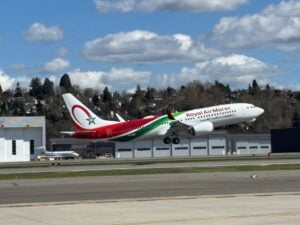


IBA, the aviation intelligence and advisory firm, has reported that more than 90% of the global Boeing 737-900ER fleet remains active. This reflects the aircraft’s enduring strength in the market, its long-term potential, and expanding prospects from new freighter conversion programmes.
The latest findings from IBA’s Aircraft Market Intelligence Report (AMIR) indicate that the 737-900ER continues to deliver robust operational and value performance, despite limited secondary market trading. The aircraft maintains its appeal among operators through high utilisation rates, stable lease values, and consistent market confidence.
According to data from IBA Insight, North American airlines dominate the 737-900ER segment, with 381 of the 503 aircraft currently in service worldwide. Delta Air Lines (163 units), United Airlines (136), and Alaska Airlines (79) collectively represent 76% of the active fleet. IBA’s analysis confirms that both Market Values and Lease Rates for the 737-900ER have remained firm throughout 2025. A 2019-built example is valued between US$32 and US$34 million, while a 2011 aircraft has risen moderately to US$21.5–22.5 million. Monthly lease rates range from US$298,000–307,000 for newer jets and US$223,000–252,000 for mid-life aircraft.
The long-term outlook for the 737-900ER is further strengthened by upcoming conversion activity, as Aeronautical Engineers Inc. (AEI) has announced plans for a 737-900ERSF freighter programme. With FAA certification expected in 2029, the conversions will extend the aircraft’s operational lifespan as passenger fleets begin transitioning toward retirement.
This initiative coincides with ongoing demand in the air cargo sector, fuelled by e-commerce growth and the replacement of ageing freighters. The proven success of the 737-800SF serves as a strong indicator, with Boeing forecasting more than 1,700 freighter conversions globally over the next 20 years.
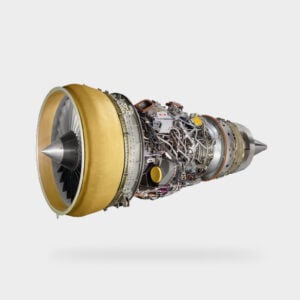
Sustained demand for serviceable CFM56-7B27 engines continues to underpin asset values across the 737NG family, ensuring that the 737-900ER remains a dependable performer in both passenger and freighter markets.