
(A Three-Part AviTrader MRO 360° Series)
The Idea That Changed Engine Ownership
How Charlie Willis Helped Pioneer the Aircraft Engine Leasing Business
Willis Lease Finance Corporation (WLFC) was established in 1985 around an idea that was still largely untested in commercial aviation: an aircraft engine could be leased independently from the aircraft it powered.
At the center of that idea was Charles F. “Charlie” Willis IV.
A visionary aviation leader and industry pioneer, Willis is widely credited with helping introduce the concept of commercial aircraft engine leasing. Alongside the growth of aircraft leasing, the model fundamentally changed how airlines could manage their fleets—providing greater flexibility, improving capital efficiency and strengthening operational resilience.
His foresight helped reshape the aviation-finance landscape and laid important groundwork for today’s global engine-leasing ecosystem.
That vision became the foundation of WLFC.
When Willis began building the company, engines were not yet widely viewed as the highly mobile, independently financeable assets they are today.
Airlines bought engines.
Maintenance organizations worked on them.
Owners financed them.
Willis saw something different:
Why should an operator have to own an engine simply because it needs to use one?
An early maintenance customer needed an engine on lease, and with no established independent engine-leasing market readily available to meet that requirement, Willis decided to provide one himself. He mortgaged his home, acquired an engine and put it on lease.
One engine. One maintenance customer. And an idea that would help reshape the way airlines manage some of their most valuable assets.
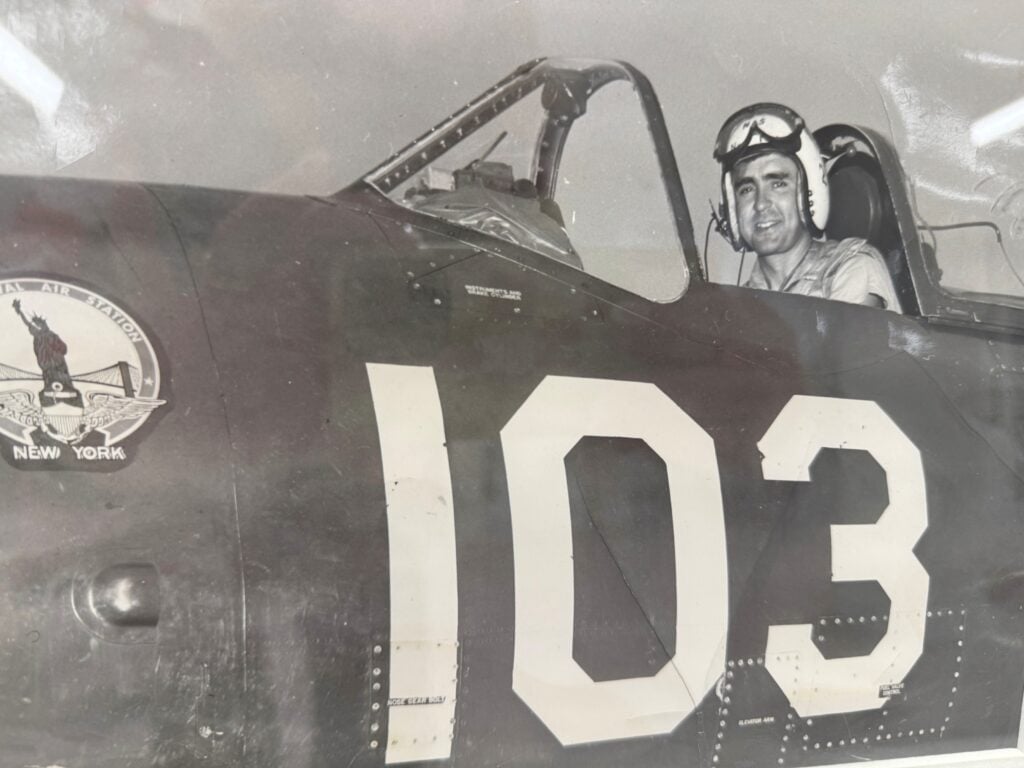
Charles Willis, Jr.
Aviation in the Family
Aviation was already deeply embedded in the Willis family.
Charlie’s father, Charles Willis, Jr., a World War II Navy pilot, served as President and CEO of Alaska Airlines from 1957 to 1972. Charlie himself would later work for Alaska Airlines in flight operations, sales and marketing before pursuing his own aviation ventures.
That heritage gave Willis an early view of aviation not simply as a collection of aircraft, but as an operating system in which capital, equipment, maintenance and reliability all had to work together.
That perspective would ultimately become central to WLFC.
What began as an engine-leasing business would over four decades expand into a global aviation platform encompassing asset management, material solutions, engine and airframe disassembly, maintenance and other services designed to support aviation assets throughout their lifecycles.
Today, that aviation lineage continues with Charlie’s son, Austin Willis, serving as CEO of WLFC—but the company’s evolution has remained rooted in the same fundamental idea: understanding the engine not simply as an asset, but as part of a much larger operating ecosystem.
And it started with seeing the engine differently.
An Engine as an Independent Asset
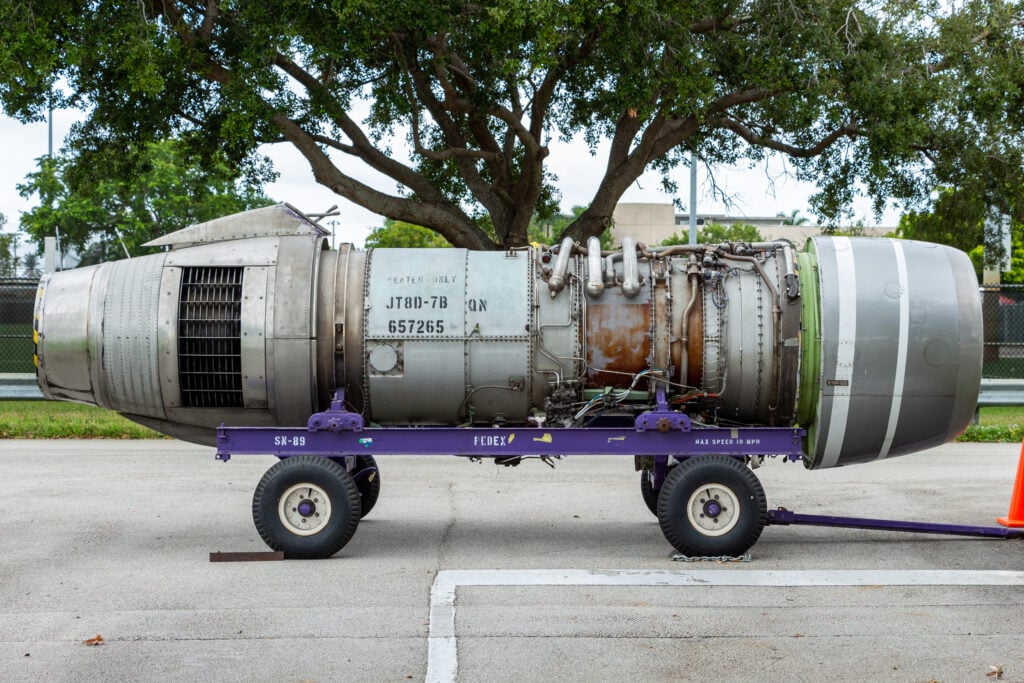
A commercial aircraft engine can have an economic and operational life independent of the aircraft on which it happens to be installed.
An engine can be removed from one aircraft, enter an MRO facility, return to service on another aircraft and later transfer to an entirely different operator.
Its technical and economic life follows a different path from the airframe.
Willis recognized the opportunity in that independence.
If an engine could move between aircraft and operators, it could also move between customers financially.
It could be leased.
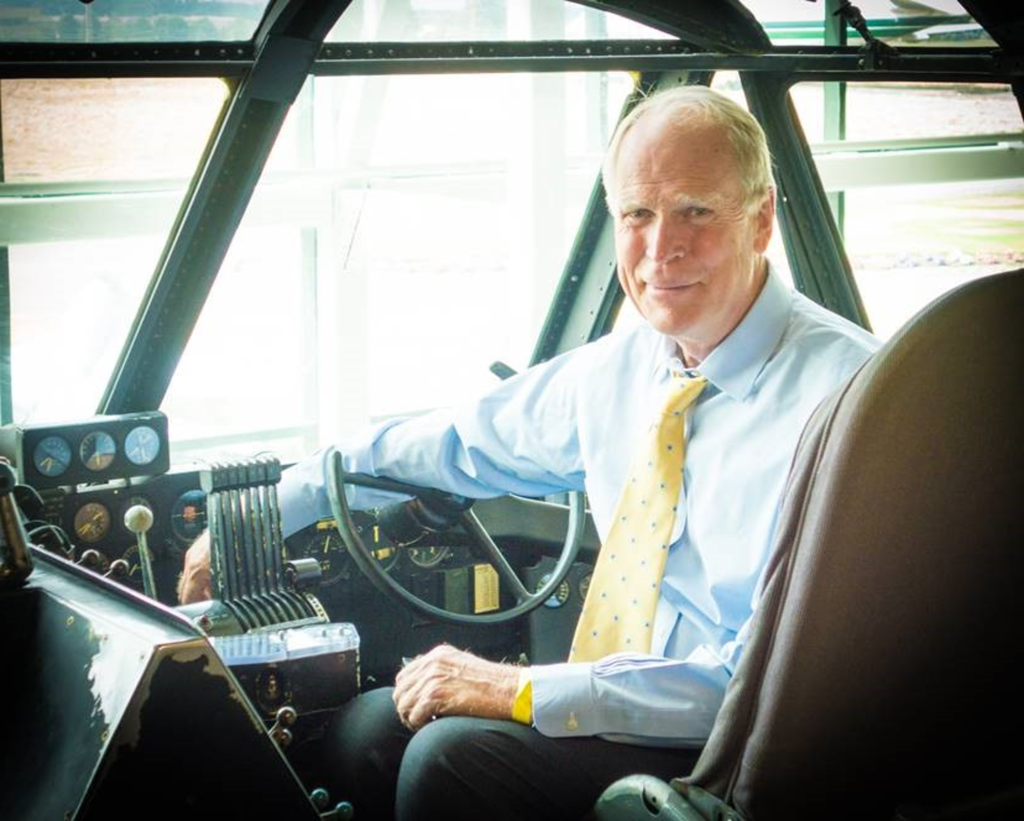
Charles F. “Charlie” Willis IV.
Solving an MRO Problem with a Financial Solution
The origins of the Willis model are particularly relevant to MRO360 because the customer requirement at the heart of the story was connected to maintenance.
Engines periodically come off-wing for inspection, repair, overhaul or replacement of life-limited components. The aircraft may remain perfectly capable of flying, but without a serviceable engine it cannot generate revenue.
Historically, an airline addressed that problem by owning spare engines.
The drawback was capital efficiency. An operator might require a spare during a shop visit without needing that engine permanently.
Willis offered another answer:
Instead of owning every spare engine you might need, gain access to one when you need it.
The operator could preserve capital. WLFC could redeploy the engine when the requirement ended. And the same asset could generate value through multiple leases and maintenance cycles.
Willis was beginning to separate two concepts aviation had traditionally connected: engine availability and engine ownership.
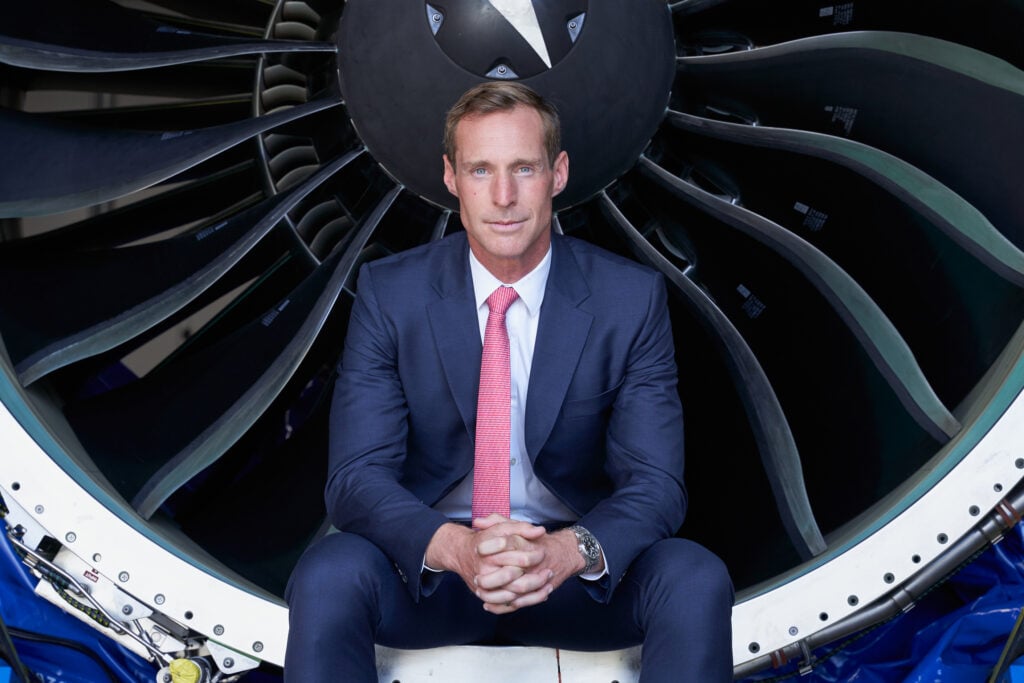
Austin Willis
Understanding What Creates Engine Value
Turning that insight into a business required more than simply buying engines and leasing them.
Engines are unusual financial assets because their value is deeply connected to their technical condition.
Hours and cycles matter. Life remaining on life-limited parts matters. Configuration and records matter. And the timing and cost of the next shop visit can dramatically affect value.
For WLFC, understanding the investment meant understanding the engine.
When should it go through a shop visit? What work scope makes economic sense? How will that investment affect future value? Should the engine be repaired, redeployed or eventually disassembled for material?
Those questions would ultimately pull WLFC much deeper into the aftermarket.
The connection between leasing and MRO was present almost from the beginning.
From One Engine to a Business
During WLFC’s first decade, commercial fleets expanded and airline maintenance requirements grew with them.
More aircraft meant more engines.
More engines meant more shop visits.
And more shop visits meant greater demand for spare-engine capacity.
WLFC built its business around that requirement, developing relationships with airlines, MRO organizations, manufacturers, financial institutions and technical specialists around the world.
The asset might be financial, but the customer’s requirement was operational: the right engine, in the right condition, available at the right time.
The concept Charlie Willis had backed personally was becoming a repeatable business model.
But engine leasing is capital intensive. To scale, WLFC needed greater access to financing.
In 1996, just over a decade after its establishment, Willis Lease Finance Corporation completed its initial public offering and began trading publicly on Nasdaq under the ticker WLFC.
Charlie Willis had demonstrated that a customer did not necessarily have to own the engine it needed.
Now WLFC had to prove the model could scale.
That would become the company’s next chapter.
NEXT: PART TWO — PROVING THE MODEL
How WLFC used capital, technical expertise and an expanding aftermarket presence to turn a pioneering leasing concept into a global engine platform—and began assembling the pieces of what would become an integrated aviation-services business.