Airhub Aviation (Airhub) has expanded its base maintenance capabilities to cover Airbus A320neo aircraft powered by CFM LEAP and Pratt & Whitney GTF engines, as well as Boeing 737 MAX jets, following a successful regulatory audit by Lithuania’s Transport Competence Agency.
The aircraft lifecycle management company said the expansion would strengthen its support for lessors, operators and aftermarket businesses, as demand grows for maintenance services covering newer-generation aircraft.
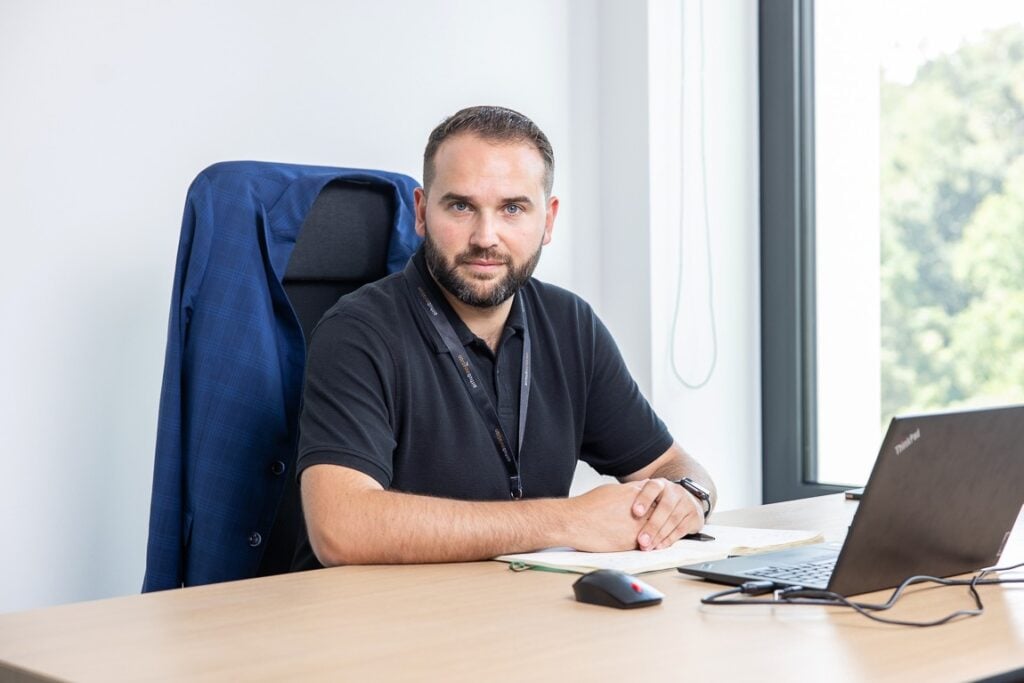
“The aviation market is evolving rapidly, and technical capabilities must evolve with it,” said Oleg Novak, Airhub Aviation’s Managing Director. The expansion would also support the company’s broader focus on technical asset management and preserving aircraft residual values, he said.
Demand is increasing for both routine 24-month maintenance checks and the first 12-year inspections of A320neo aircraft, Novak said. As more aircraft reach the latter milestone, operators face the prospect of longer periods on the ground as maintenance providers carry out the inspections for the first time in the aircraft’s operational life.
Managing these complex maintenance events cost-effectively requires specialised technical expertise and established maintenance, repair and overhaul capabilities, he said.
Airhub has also seen changes in the end-of-life aircraft market. The first Boeing 737 MAX 8 entered an end-of-life management process over the past 12 months, while the dismantling of A320neo aircraft is gaining momentum following several airline insolvencies in 2025 and 2026, Novak said.
Airhub develops Airbus A220 capabilities
The company is also working to expand its technical services to cover the Airbus A220, with regulatory approval processes under way.
Planned services include line maintenance, aircraft transitions and end-of-life asset management, developed in co-operation with an established industry partner.
Airhub is broadening its capabilities across newer-generation aircraft as operators, lessors and aftermarket businesses respond to changing maintenance requirements and evolving asset management needs.