
Collins Aerospace is investing US$26.5 million to expand its facility in Largo, Florida, strengthening production capacity for commercial aviation radar systems and advanced defence security technologies. The investment is expected to create more than 100 highly skilled jobs across engineering and manufacturing operations as demand grows for increasingly sophisticated aviation and military systems.
The expansion reflects rising global requirements for secure, interoperable technologies capable of supporting both civilian air traffic management and defence operations in increasingly congested and contested airspace. According to Nate Boelkins, President of Avionics at Collins Aerospace, the enlarged facility will enable the company to deliver critical capabilities to airline and military customers more quickly while improving operational readiness and passenger safety.
RTX has maintained a significant presence in Florida for more than 40 years and currently employs over 7,000 people across eight major sites throughout the state. The Largo facility already serves as a key production and testing centre for radar systems, satellite communications and secure communications technologies used by both commercial and military customers worldwide.
The project has also been welcomed by Florida state officials, who view the expansion as another boost for the Tampa Bay region’s growing aerospace and defence sector. Secretary of Commerce J. Alex Kelly said the investment reinforces Florida’s position as a leading hub for aviation manufacturing, advanced defence technologies and national security innovation, while also creating high-quality employment opportunities.
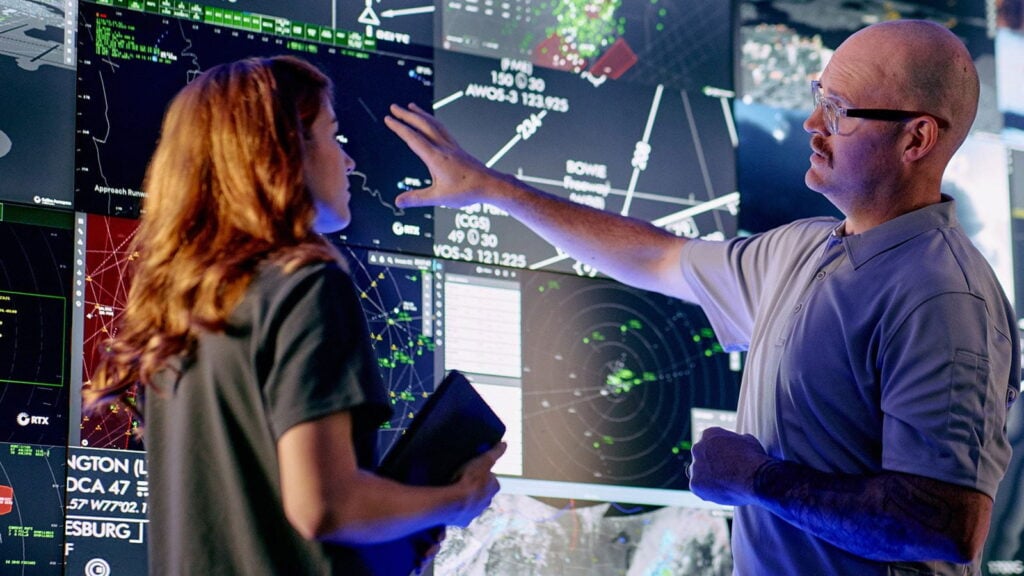
A major focus of the facility will be work connected to the Federal Aviation Administration’s Radar System Replacement Programme. Production will include Collins Aerospace’s Condor Mk3 cooperative surveillance radar, which communicates directly with aircraft transponders, as well as the ASR-XM non-cooperative radar system, designed to detect aircraft through reflected signals. Together, the systems are intended to support safer and more efficient airspace monitoring.
The new radar production area is expected to become fully operational by the end of 2026, further enhancing Collins Aerospace’s long-term manufacturing and technological capabilities in the United States.