
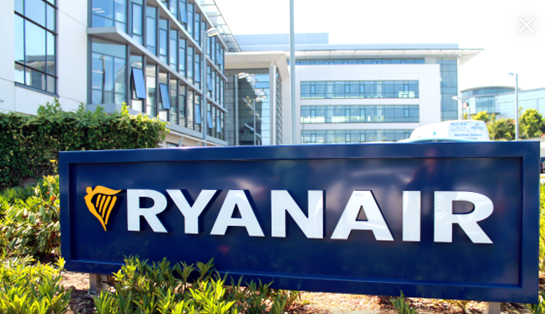
Ryanair Holdings reported a 34% drop in first-quarter profit after tax to €538 million as higher fuel costs and weaker ticket prices offset continued passenger growth.
The airline’s Q1 profit fell from €820 million a year earlier after the cost of its 20% unhedged jet fuel more than doubled during the quarter, while average fares declined 6%. Ryanair said lower fares reflected the impact of the Middle East conflict, which weighed on consumer confidence and delayed bookings, as well as the timing of Easter, which benefited the prior-year’s first quarter.
Revenue edged up 1% to €4.38 billion. Scheduled revenue slipped 1% to €2.91 billion despite traffic rising 6%, while ancillary revenue increased in line with passenger growth to €1.47 billion.
Operating costs rose 11% to €3.81 billion, driven largely by higher fuel prices. Ryanair also said supplier compensation payments ended after the delivery of its final Boeing 737-8200 “Gamechanger” aircraft in February.
The carrier said its conservative fuel-hedging strategy continues to provide protection against oil price volatility. Around 80% of FY27 fuel requirements are hedged at about $67 per barrel, while it has also extended hedging into FY28, with 15% covered at roughly $85 per barrel.
At the end of June, Ryanair held more than €2.8 billion in gross cash after repaying €1.3 billion of debt and investing €500 million in capital expenditure. The group’s liquidity is further supported by a largely undrawn €1.1 billion revolving credit facility.
Ryanair said it has completed around 90% of its €750 million share buyback programme, purchasing and cancelling more than 25 million shares at an average price of €26.35 each.
Following the repayment of its final €1.2 billion bond in May, the airline said its capital allocation priorities over the next year include funding Boeing 737 MAX 10 deliveries, paying shareholder dividends, completing the current buyback programme and rebuilding gross cash reserves to €4 billion using internal cash flows. (€1.00 = US$1.14 at time of publication).