
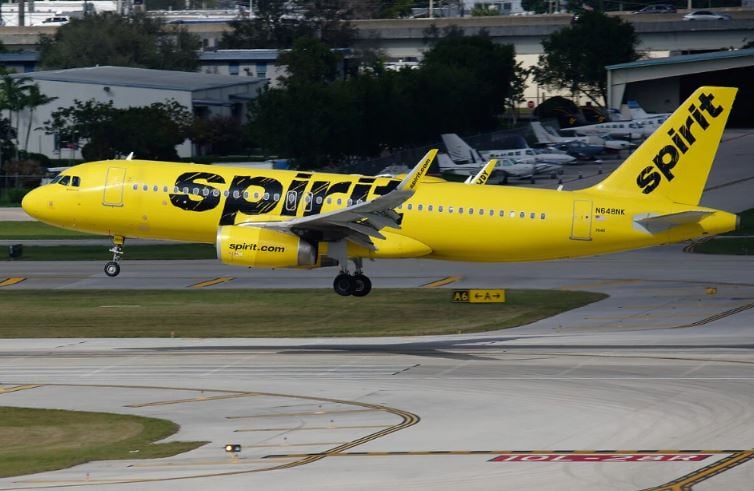
Spirit Aviation Holdings, Inc., the parent of Spirit Airlines, is pressing forward with its Chapter 11 restructuring efforts, setting out a series of measures designed to stabilise operations and reshape the airline for the years ahead. Speaking before the U.S. Bankruptcy Court for the Southern District of New York, the company detailed fresh financing arrangements, operational streamlining, and agreements with key partners that form the backbone of its transformation strategy.
Central to the update is a debtor-in-possession financing package worth up to US$475 million, secured from Spirit’s existing bondholders. This multi-tranche facility, pending court approval on October 10, 2025, is intended to ensure Spirit has sufficient liquidity to continue normal operations during the restructuring. Once approved, US$200 million will be made available immediately, bolstering cash reserves. Alongside this, the court has already authorised interim access to US$120 million in liquidity, providing near-term breathing space.
Fleet restructuring is a major focus of the company’s plan. Spirit has reached a significant agreement with AerCap Ireland Limited, its largest aircraft lessor, which both strengthens cash flow and accelerates the airline’s fleet optimisation strategy. AerCap will inject US$150 million into Spirit, while the carrier will shed 27 aircraft leases, cutting operating costs by hundreds of millions of dollars. The deal not only eliminates all disputes between the two parties but also secures the delivery of 30 new aircraft in the future. This agreement, too, is subject to court approval in October.
At the same hearing, Spirit secured approval to exit 12 airport leases and 19 ground handling agreements, moves that are consistent with its recent network downsizing. These adjustments mark further progress in reshaping the airline’s footprint to align with market realities. The company is also actively negotiating with other lessors, aiming for additional agreements that combine fresh liquidity with further reductions in fleet size. Such steps are expected to deliver substantial cost savings.
Finally, Spirit confirmed that discussions with its labour unions are under way, targeting cost efficiencies through modifications to collective bargaining agreements. With multiple strands of restructuring now in motion, Spirit Airlines is signalling a determined effort to stabilise its financial foundation while setting a course for long-term sustainability.