
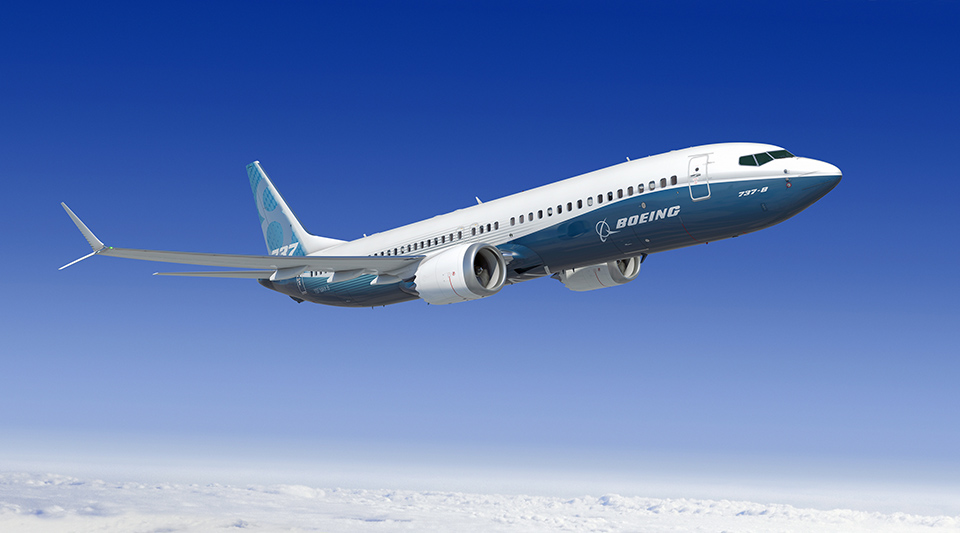
The Federal Aviation Administration (FAA) has announced the adoption of a new aircraft certification policy, designating key flight control changes as “major.” This policy shift comes in response to the flight control system implicated in the fatal Boeing 737 MAX crashes in 2018 and 2019, leading to 346 casualties.
In late 2020, Congress enacted comprehensive legislation aimed at reforming the FAA’s airplane certification process. The reforms include mandatory manufacturer disclosure of safety-critical information related to systems manipulating flight controls without direct pilot input. The FAA, in conjunction with these changes, is issuing additional guidance to airplane manufacturers to enhance safety in the certification process.
The FAA’s move follows revelations that Boeing did not disclose vital details about the manoeuvring characteristics augmentation system (MCAS), a safety system connected to the two tragic crashes. MCAS was designed to address the MAX’s tendency to pitch up. Boeing stated its commitment to transparent collaboration with the FAA to meet certification requirements, while Airbus refrained from immediate comment.
A U.S. House of Representatives report criticised Boeing for not classifying MCAS as a safety-critical system, potentially leading to insufficient FAA oversight. The report also highlighted the FAA’s failure in overseeing Boeing’s certification of the aircraft.
The aftermath of the crashes has incurred substantial costs for Boeing, exceeding US$20 billion (£15.9 billion) in compensation, production expenses, and fines, resulting in a 20-month grounding of its best-selling plane. The FAA is currently evaluating the certification of two additional MAX variants, the smaller MAX 7 and the larger MAX 10.
In July, the FAA announced its intention to establish milestones during certification to evaluate whether design changes to airplane systems should be considered novel or unusual, necessitating additional scrutiny. Last year, the FAA granted Boeing a regulatory compliance programme extension, albeit shorter than requested, to ensure the implementation of required improvements. Boeing remains under scrutiny as the aviation industry seeks to enhance safety protocols.