
Lufthansa Group is accelerating the implementation of its corporate strategy in response to sharply rising kerosene prices—now more than double pre-Iran war levels—and increasing pressures from labour disputes. An initial package of measures has been approved, including reductions to short-, medium- and long-haul flight programmes, alongside steps towards earlier fleet modernisation.
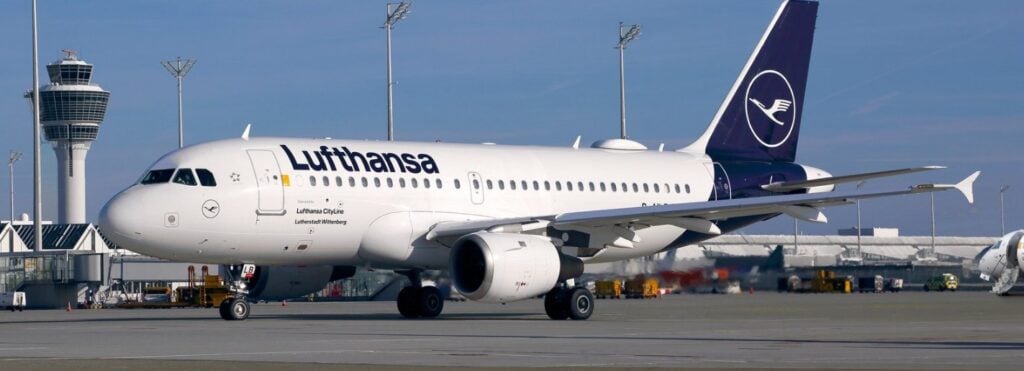
As an immediate measure, all 27 operational aircraft of Lufthansa CityLine will be permanently withdrawn from the flight programme starting the day after tomorrow, in a move aimed at curbing ongoing losses at the underperforming airline. The Canadair CRJ fleet is approaching the end of its technical service life and carries comparatively high operating costs.
In a second phase, long-haul capacity will be reduced by six intercontinental aircraft at the end of the summer schedule. This includes the retirement of the final four Airbus A340-600 aircraft in October, marking the definitive end of the type’s service at Lufthansa. In addition, two Boeing 747-400 aircraft will be grounded for the winter season, with full retirement of the type planned for next year.
A third phase, scheduled for the 2026/27 winter timetable, will see further capacity reductions within the Lufthansa core brand as part of a broader consolidation of short- and medium-haul operations across the Group’s six hubs. This reduction is equivalent to the removal of five aircraft.
With the implementation of this initial package, the Group is accelerating its planned consolidation of short- and medium-haul traffic. The early retirement of older aircraft types also aligns with its strategy to reduce the number of sub-fleets as quickly as possible. The planned allocation of nine additional Airbus A350 aircraft to Discover Airlines forms part of the Group’s medium-term fleet strategy.
To further reduce administrative costs, Lufthansa has introduced new savings targets covering staff recruitment, internal events and external consulting services. These measures support the existing goal of reducing 4,000 administrative positions across the Group by 2030.
Against the backdrop of the planned end of Canadair jet operations at Lufthansa CityLine by year-end at the latest—and the potential cessation of all flight operations—offers for alternative employment have already been extended to all employee groups.
The measures are expected to deliver a disproportionate reduction in fuel costs. Less efficient aircraft are being retired early, while overall kerosene consumption—and therefore exposure to unhedged fuel purchases—is reduced.
Currently, around 80% of the Group’s fuel consumption is hedged based on crude oil prices. However, the remaining 20% must be procured at significantly higher market rates. The latest measures are set to reduce this particularly costly unhedged portion by approximately ten per cent.