
PGL has announced the launch of its PGL Engine StandBy™ Program, a forward-positioned engine stand storage solution designed to help aircraft operators and maintenance, repair and overhaul providers reduce logistical complexity, improve operational readiness and remain focused on core maintenance activities. The programme responds directly to ongoing pressures across the aviation sector, including constrained engine availability, persistent aircraft-on-ground situations and limited shop capacity, all of which continue to disrupt maintenance schedules and fleet operations.
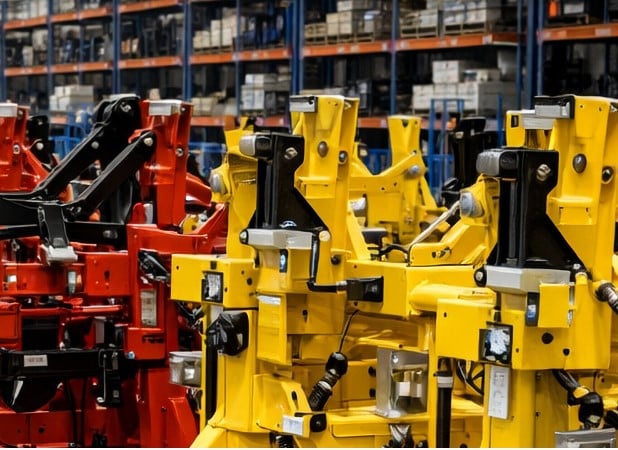
Rather than relying on reactive, last-minute logistics, the Engine StandBy™ Program introduces a more strategic approach by positioning engine stands at PGL’s forward stocking locations. This gives operators and MROs immediate access to essential ground support equipment when and where it is needed, without the operational burden of managing storage, transport planning or urgent deployment. By removing these responsibilities, PGL aims to simplify workflows and reduce the friction that often accompanies engine change and maintenance events.
Christian Solana, PGL Senior Vice President Operations and Aerospace, highlighted the changing priorities within the industry, stating: “In today’s market, speed and cost can no longer be traded against each other. Our approach focuses on positioning freight closer to demand, reducing touch points, tightening transit windows, and leveraging smarter routing so you gain faster delivery performance while simultaneously driving down total logistics spend.” He added that Engine StandBy™ was created to allow operators and MROs to concentrate on maintaining engines and aircraft while PGL manages the logistics behind the scenes.
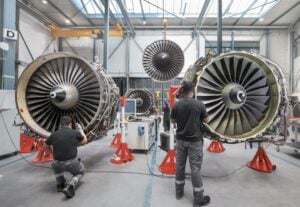
Engine stands are high-value assets that play a critical role in engine maintenance and change operations. When they are not positioned correctly, delays can escalate rapidly, leading to increased costs, expedited freight requirements and operational bottlenecks. By pre-positioning stands and managing their handling and storage, the Engine StandBy™ Program helps reduce response times during both scheduled maintenance and AOG events, while also minimising the risk of customs delays and uncontrolled handling.
The programme also supports higher throughput and more efficient shop flow for MROs. By removing logistical constraints, maintenance providers can maximise existing capacity without investing in additional infrastructure or diverting skilled resources away from technical work. This is particularly relevant as global fleets continue to age and maintenance demand rises across multiple aircraft and engine platforms.