
The European Union Aviation Safety Agency (EASA) has unveiled a sweeping new regulatory framework for Flight Simulation Training Devices (FSTDs), marking the most significant reform of flight simulation qualification in Europe in decades.
Introduced through Regulation (EU) 2026/781 and supported by Certification Specifications (CS-FSTD Issue 1), the new framework shifts the focus from fixed simulator types and qualification levels to a flexible, capability-based system that reflects what training devices can actually do.
The move is designed to modernise pilot training, encourage innovation and ensure qualification standards keep pace with advances in simulation technology.
Flight simulation training devices are a cornerstone of aviation safety, allowing pilots to train, practise and maintain their skills in realistic conditions while improving training efficiency and reducing both environmental impact and operational risk.
“Flight simulation has transformed pilot training over the past decades and will continue to play a central role in the future of aviation,” said Francesco Gaetani, EASA’s Flight Standards Director.
“The new framework creates a modern, flexible system that reflects what training devices can actually do rather than how they have traditionally been classified. It supports innovation, enables new technologies to be integrated into training, and helps ensure pilots continue to receive effective, high-quality training in an evolving aviation environment.”
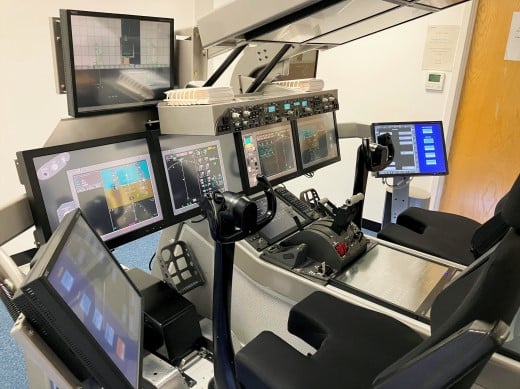
A key feature of the framework is the new FSTD Capability Signature (FCS), a standardised way of describing a simulator’s capabilities using defined FSTD features and fidelity levels. The rules also introduce qualification requirements and guidance for emerging technologies, including touchscreen flight deck interfaces and extended reality (XR) applications.
The framework further introduces an optional task-to-tool training methodology, enabling Approved Training Organisations (ATOs) and operators to match the most appropriate simulation device to specific training objectives. The approach offers greater flexibility in designing training programmes while maintaining high safety standards.